
Insights
How Is 99.99% Sorting Accuracy Achieved? The Technical Principles
How is 99.99% sorting accuracy achieved? The principles behind scanning, induction and chute assignment.
The Short Answer
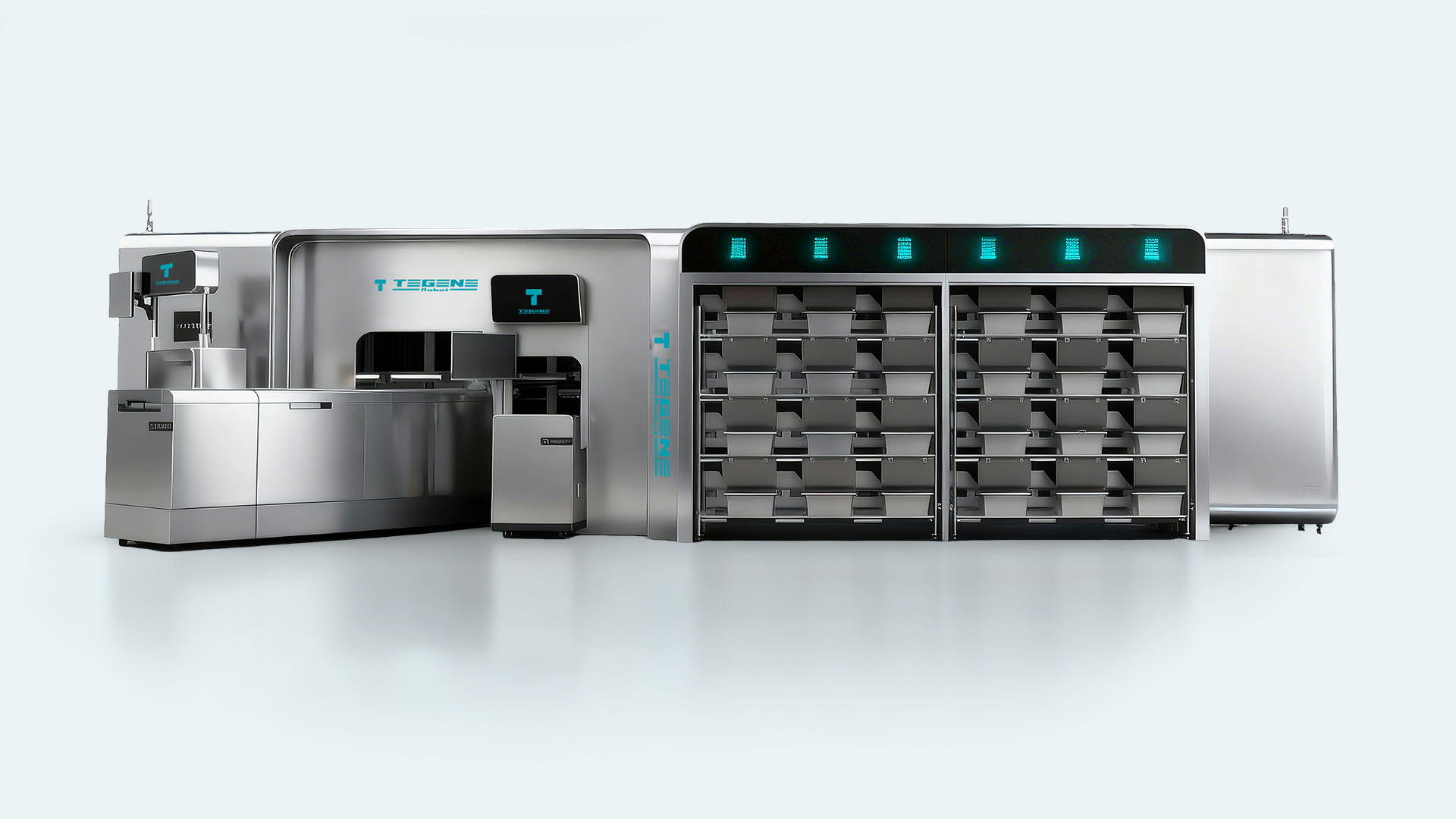
Sorting accuracy mainly depends on the stability of scanning, induction and chute assignment. The Tegene 3D Sorter Series achieves 99.99% accuracy through top/table/multi-face scanning, RFID recognition and stable induction and sorting control.
Three Links That Affect Accuracy
Accurate sorting relies on three links working together:
- Recognition: top, table, multi-face scanning and RFID ensure stable barcode reads and fewer missed scans.
- Induction: proper manual/auto induction avoids stacking and jams that hurt recognition.
- Sorting: stable sorting control ensures parcels land in the target chute.
Why Accuracy Matters So Much
Mis-sorts cause rework and timeliness loss, and for high-value or cross-border goods they can mean direct financial loss. 99.99% accuracy means very few mis-sorts at scale, making it a key metric when evaluating sorting equipment.
FAQ
Frequently asked questions related to this article:
- How accurate can a sorting robot be? The Tegene 3D Sorter Series achieves up to 99.99% sorting accuracy across the range, via multiple scanning methods, stable induction and sorting control.
- How is mis-sorting prevented? Through stable recognition (top/table/multi-face scanning and RFID), proper induction that avoids stacking and jams, and stable sorting control — three links working together to land parcels in the target chute.
Next Step
Turn this scenario into a deployable plan
Tell us your site size, parcel mix, peak volume and target market — we’ll respond with a specific configuration and deployment plan.
Contact Us