
Products
3D Sorter
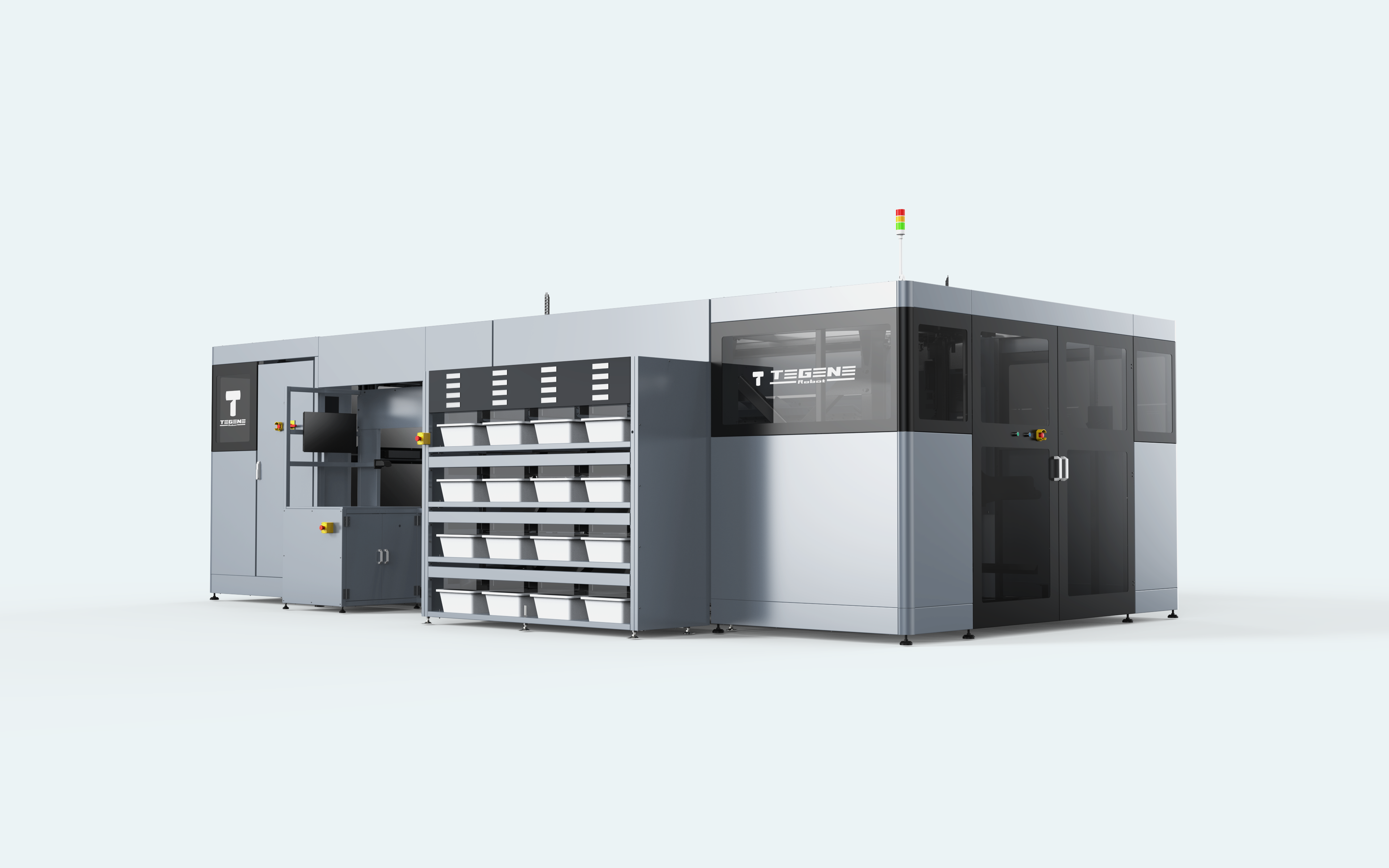
A flexible parcel sorter for small and medium items, multiple destinations, and manual or automatic induction.
Maximum mechanical throughput
Customizable
Customizable induction stations
Accuracy
Core Use
3D Sorter handles small and medium parcels with multiple destinations through a lifting one-column multi-cart structure, balancing throughput, chute capacity and configuration flexibility.
- Fits e-commerce, express, retail, overseas warehouse and 3PL small-parcel sorting
- Supports manual or automatic induction and multiple scanning modes
- Built for standardized equipment deployment with project-specific configuration
Product Parameters
Core parameters are listed below. Final configuration can be adjusted by throughput target, induction rhythm and destination flow.
- Maximum mechanical throughput: 24,500 pcs/h
- Loop speed: 0.85 m/s
- Sorting cart type: one column, multiple carts (lifting)
- Induction stations: 1-30, customizable
- Induction mode: manual / automatic
- Chute count: 1,000, customizable
- Scanning mode: top / table / multi-side / RFID
- Load: 7 kg
- Installation time: two weeks
- Accuracy: 99.99%
- Operating environment: 0°C-45°C
Configuration Capability
The equipment can be configured around parcel profile, destination flow and induction rhythm.
- Lifting multi-cart structure supports stable sortation
- Manual or automatic induction can be configured by site rhythm
- 1,000 chutes and scanning modes can be customized by project
Best-fit Customers
Best for small and medium parcel sortation across e-commerce, cross-border commerce, 3PL, express and omnichannel retail warehouses.
FAQ
Frequently asked questions about this product:
- What scenarios fit the 3D Sorter? 3D Sorter fits small and medium parcels with multiple destinations across e-commerce, express, retail, 3PL and overseas warehouses, with up to 24,500 pcs/h mechanical throughput.
- Which configurations does the 3D Sorter support? It supports 1,000 chutes and 1-30 customizable induction stations, manual or automatic induction, top/table/multi-side/RFID scanning, and a standard two-week installation cycle.
Data Needed for Assessment
To evaluate equipment scale, chute count and deployment boundaries, prepare the following information for consultation.
- Warehouse area, available equipment zone and current material flow
- Average volume, peak volume, order waves and main destination flows
- Parcel size, weight range, barcode/RFID recognition and induction mode
- WMS, MES or existing automation interfaces that need to be connected
Next Step
Turn this scenario into a deployable plan
Tell us your site size, parcel mix, peak volume and target market — we’ll respond with a specific configuration and deployment plan.
Contact Us